


Recent Posts
Contact Us
Author : Marketing Team | Follow us on LinkedIn:
2 Dec, 2025
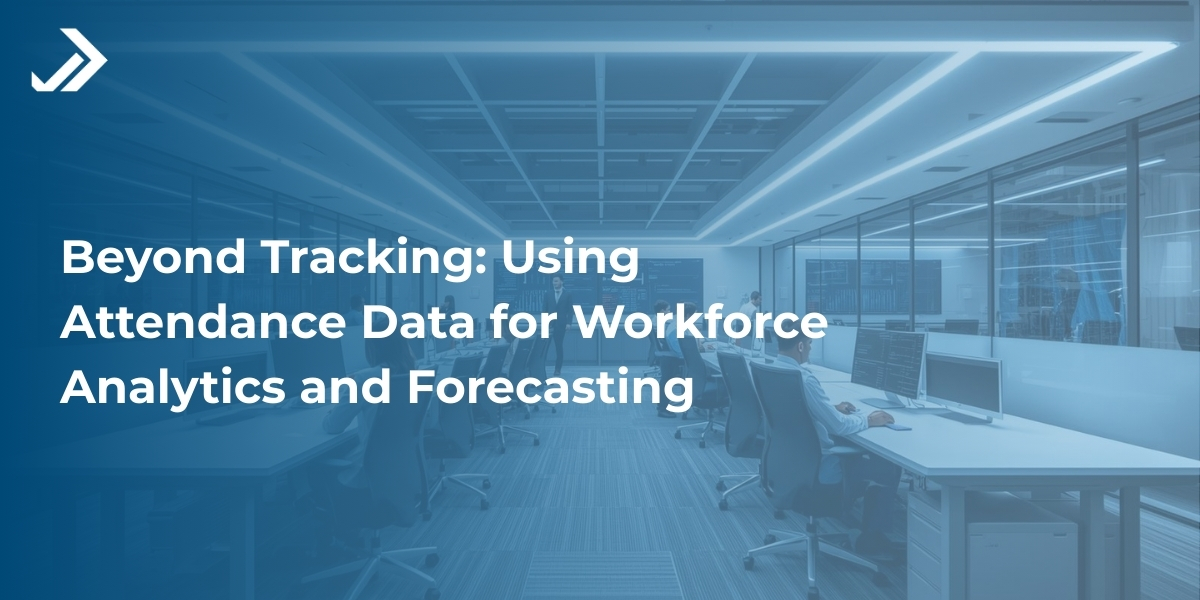
Beyond Tracking: Using Attendance Data for Workforce Analytics and Forecasting
Table of Contents
Most HR teams see their attendance management system as nothing more than a tool to track who came in and who left. But if you look closer, the data inside your attendance management software is a goldmine waiting to be tapped. Every punch, every late login, every overtime hour tells a story about productivity, morale, and even future workforce needs. A modern attendance solution, especially when powered by a biometric attendance system, goes far beyond record-keeping. It can give HR leaders insights to plan smarter, reduce risks, and even forecast staffing challenges before they happen.
The Evolution of Attendance Management: From Record-Keeping to Analytics
Not too long ago, attendance was nothing more than a register at the front desk. HR teams relied on manual logs or swipe cards to keep track of who showed up and when. It worked at least for basic record-keeping, but it didn’t give HR leaders much else to work with. Fast forward to today, and the role of an attendance management system has changed dramatically.
Modern enterprises expect more than a digital version of a punch clock. An attendance management software now connects with payroll, HRMS, and compliance systems. It doesn’t just store data; it turns that data into something meaningful. For example, an HR head can see not just that 20 people were late today, but also patterns who’s consistently late, which teams are struggling with shift adherence, or where overtime is creeping up.
The rise of the biometric attendance system accelerated this shift. By eliminating proxy attendance and buddy punching, it gave organizations accurate, tamper-proof data they could actually trust. With reliable inputs, enterprises could finally start using attendance information for deeper analysis, not just payroll accuracy.
Today, a smart attendance solution goes beyond tracking. It feeds HR with insights for workforce planning, helps identify burnout risks, and even supports forecasting future staffing needs. This evolution has transformed attendance from a background process into a core part of workforce strategy.
The lesson is clear: if you’re still treating your attendance management system as a record-keeping tool, you’re missing out on its real value. The future of HR isn’t just about knowing who’s in the office, it’s about understanding what attendance behavior says about the health and performance of your entire workforce.
The Richness of Attendance Data Enterprises Overlook
When most enterprises think about their attendance management system, they see it as a compliance tool, a way to ensure payroll is accurate and employees are following policies. But here’s the truth: the data inside your attendance management software is far richer than most HR leaders realize.
Take absenteeism, for example. It’s not just about knowing who didn’t show up. Look deeper, and you can spot patterns maybe a particular team has higher absence on Mondays, or one location consistently struggles with late arrivals. These aren’t just numbers; they’re signals about morale, culture, and even leadership issues.
Overtime data is another overlooked treasure. Your attendance solution can highlight when certain employees or departments are clocking too many extra hours. That’s not just a payroll cost it could be an early warning sign of burnout, skill gaps, or uneven workload distribution.
Leave patterns tell another story. Around holidays or peak seasons, attendance data can help HR forecast staffing shortages well in advance. Instead of scrambling at the last minute, leaders can plan for replacements, stagger shifts, or adjust policies proactively.
And with a biometric attendance system, the accuracy of this data improves dramatically. No more buddy punching or unreliable logs just clean, trustworthy inputs that HR can confidently use for analysis.
What enterprises often miss is that this isn’t “just attendance.” It’s a real-time lens into workforce behavior. When you connect the dots, the data can reveal productivity trends, compliance risks, and even employee well-being. Ignoring it means treating your attendance management system like a filing cabinet, when in reality, it’s more like a telescope, helping you see further, plan smarter, and act before problems grow bigger.
Turning Raw Attendance into Strategic Analytics
Capturing attendance is easy. Any attendance management system can tell you who punched in and who didn’t. The real challenge and the real opportunity is turning that raw information into insights that actually help HR leaders make better decisions. That’s where the real power of modern attendance management software comes in.
Think about productivity. When you connect attendance data with project performance or department output, you start to see links between presence and productivity. A team that’s often late or absent may also be missing deadlines. Instead of treating attendance as a compliance issue, HR can use it as an early warning system.
Forecasting is another big win. A smart attendance solution can analyze past patterns like spikes in absenteeism during festive seasons or overtime during year-end closures and help HR prepare in advance. This kind of predictive workforce planning means fewer surprises, smoother operations, and less firefighting.
Compliance, too, benefits from analytics. By layering attendance data with labor laws, HR can catch potential violations before they become legal risks. For example, if overtime hours cross thresholds, the system can flag it early so corrective action is taken.
And then there’s the biometric attendance system advantage. With accurate, tamper-proof inputs, HR can trust the analytics coming out of the system. That trust is key because insights are only as good as the data feeding them.
In short, a modern attendance management system isn’t just a recorder of time; it’s a decision-making tool. It empowers HR to move from “tracking” to “strategizing”, asking what happened yesterday to confidently answering what’s likely to happen tomorrow.
What to Look for in an Analytics-Ready Attendance Solution
It’s one thing to know that your attendance management system holds valuable data. It’s another to make sure that system is built to actually deliver insights, not just raw numbers. Not every attendance management software is designed with analytics in mind, which is why HR leaders need to be deliberate when choosing the right framework.
Real-Time Data Collection
Analytics loses its edge if data is delayed. An analytics-ready attendance solution must capture punches and update dashboards in real time. Imagine being able to see absenteeism trends or overtime hours as they happen, instead of waiting until the end of the month. Real-time access means faster decisions and fewer surprises.
Seamless Integration
An attendance management system should never live in isolation. It needs to plug into payroll, HRMS, compliance platforms, and even ERP systems. When your attendance data flows across departments, HR stops being reactive and starts enabling smarter, company-wide decisions.
Advanced Reporting and Dashboards
Basic reports won’t cut it. Look for attendance software that offers customizable dashboards showing absenteeism, overtime, leave patterns, and compliance risks in formats tailored to HR leaders, managers, or executives. The ability to slice data by location, team, or time period is what makes the difference between raw information and actionable insight.
Policy Flexibility
No two enterprises operate the same way. An analytics-ready attendance solution should let you configure grace periods, overtime thresholds, and leave rules to match both organizational policies and local labor laws. Without this flexibility, data becomes misleading instead of helpful.
Accuracy Through Biometrics
The strength of your analytics depends on the quality of your inputs. That’s why many enterprises prefer a biometric attendance system. By removing proxy entries and ensuring every punch is authentic, the insights you derive carry far more weight and credibility.
Scalability and Cloud-Readiness
Finally, think long term. An enterprise may start with one site and scale to dozens. Your attendance management software should grow with you, handling more employees, more locations, and more complexity without breaking down. Cloud platforms make this possible, offering both scalability and easier access to AI-driven forecasting tools.
Looking Ahead: The Future of Attendance Intelligence
The future of workforce management isn’t just about recording attendance, it’s about using that data to see what’s coming next. A modern attendance management system is already moving in this direction, shifting from simple tracking to predictive intelligence. Instead of only showing who came in late, tomorrow’s attendance management software will highlight patterns, flag potential risks, and even suggest corrective actions.
Imagine an attendance solution that alerts HR about rising absenteeism in a specific team before it starts affecting productivity, or one that forecasts overtime spikes during seasonal peaks so staffing plans can be adjusted in advance. This kind of intelligence helps HR stay proactive rather than reactive.
With the growing adoption of AI and machine learning, these insights will only get sharper. A biometric attendance system will ensure the data feeding these predictions is clean and accurate, eliminating doubts about reliability. And as enterprises embrace mobile-first and cloud-ready platforms, real-time analytics will be accessible from anywhere, making workforce decisions faster and more informed.
The next chapter of HR isn’t about collecting attendance, it’s about unlocking intelligence from it. Those who embrace this shift will turn their attendance management system into a true strategic advantage.
Conclusion
At the end of the day, attendance data is more than a record of hours worked, it’s a story about how your workforce functions. If your attendance management system is only being used to mark presence, you’re barely scratching the surface of its potential. The real value lies in turning that data into insights that shape smarter policies, better planning, and stronger employee trust. HR leaders who embrace analytics within their attendance solution will move beyond fixing payroll errors to driving business outcomes. The future of HR belongs to those who can see patterns, not just punches.


